
Is HMDD Worth the Price? Breaking Down the Value for Buyers
Streetwear shoppers these days keep circling back to one question: does HMDD genuinely deliver craftsmanship and design compared to its price point? The brand — officially known as Happy Memories Don’t Die — has earned a fanbase through graphics that hit an emotional nerve, a nostalgic aesthetic, and a wardrobe that leans heavily on cozy essential pieces like sweatpants, shorts, hoodies, and tees. But a name and a mood board don’t answer the pricing question. What follows unpacks what you’re actually paying for when you buy HMDD clothing, where the value checks out, where it falls short, and how it measures up next to comparable streetwear labels in 2026.
Separating the branding from the product is essential to any honest hmdd review. The brand rests on a specific sentimental pitch — the idea that sentiment survives time, that clothing can hold meaning as well as style. It’s an effective pitch, yet buyers spending actual cash still want proof that construction and material quality earn their price tag. This is where we look at construction, sizing consistency, drop frequency, and resale demand for a realistic take instead of merely repeating its own pitch.
What You’re Actually Paying For
Occupying the middle of the streetwear market, HMDD costs more than mall-brand basics while staying below hype-driven luxury streetwear. That middle placement is exactly where value questions get murky, since buyers compare it to cheaper and pricier alternatives alike. The better yardstick is other independent streetwear labels operating at similar scale — not fast fashion, and not designer collaborations.
Three factors push up the cost: fabric weight, print/embroidery technique, and limited-run scarcity. HMDD sweatpants typically use thicker fleece compositions than what you’d find in a basic big-box hoodie set, which shapes how the piece hangs and holds up after repeated washes. The graphics — usually the emotional centerpiece of black hmdd tee the « happy memories don’t die » branding — generally rely on processes that outlast a simple heat-transfer print, which becomes important for pieces worn often, not just now and then.
Scarcity from small releases adds to the price, since smaller production runs carry weaker cost-per-unit economics than big retailers enjoy, expense that ultimately lands on the buyer. It’s not exclusive to this brand — it’s the norm in the indie streetwear world — but it deserves clear mention, since it clarifies why costs run higher than at major chains.
Sweatpants and Shorts: The Core Value Test
For most shoppers, hmdd sweatpants and hmdd shorts are the gateway into the brand, and they’re also the most telling test of value because they’re used regularly and laundered frequently. Sweatpants live or die on three things: waistband elasticity retention, how much the fabric pills with wear, and whether the cut stays true after repeated laundering. Shorts get judged on drawstring durability, how sturdy the inseam stitching is, and whether the fabric retains its color after repeated washing.
Buyers repeatedly observe that HMDD’s sweatpants run true to size with a loose through-the-leg cut rather than a slim taper, which counts for something if you’re used to sizing charts that lean small. Shorts follow a similar relaxed silhouette. This reliability counts for more than most shoppers realize — a brand that sizes consistently across drops spares you the hassle and cost of returns, which is its own kind of worth even before you factor in the actual price of the garment.
Where it gets interesting is repeat-purchase behavior. Rather than buying once and jumping to a competitor, satisfied HMDD sweatpants buyers tend to return for more — shorts, hoodies, and beyond. That’s a solid proxy for satisfaction, since streetwear buyers have no shortage of alternatives and don’t stick around for weak products.
How HMDD Stacks Up Against Comparable Streetwear Labels
Numbers help ground this conversation more than adjectives do. What follows is a comparison structure across categories that matter most to shoppers focused on value: price positioning, fabric heaviness category, how long prints and graphics last, release frequency, and consistency of fit. These are comparative rankings based on broad category placement rather than brand-specific claims not provided by HMDD directly, and they’re meant to help you get your bearings rather than serve as exact specs.
| Factor | Budget/Mainstream Streetwear | HMDD Clothing | Luxury Streetwear |
|---|---|---|---|
| Standard Price Range | Low | Mid | Elevated to Premium |
| Material Weight | Lightweight to Medium | Medium to Heavyweight | Heavy |
| How Long Prints Last | Weaker to Moderate | Mid to High | Strong |
| Drop Frequency | Constant | Occasional and Limited | Seasonal, Highly Limited |
| Fit Consistency Across Releases | Inconsistent | Mostly Reliable | Consistent |
This table isn’t meant to crown a winner — it’s meant to illustrate where HMDD falls among its peers. It’s not competing with $15 fast-fashion sweatpants, and it’s not trying to be a $300 designer hoodie either. It sits in the space where material and graphic quality meaningfully outperform starter-level basics, without requiring shoppers to spend luxury-tier prices for the upgrade. For many shoppers, that middle lane is precisely the value proposition they’re looking for.
Best HMDD Clothing Picks for Everyday Value
If you’re not sure which piece to buy first, the most sensible hmdd clothing for long-term value is generally the pieces you’ll actually wear multiple times a week — not the flashiest limited item.
- Joggers: frequent wear frequency, laid-back fit, strongest cost-per-wear value in the lineup.
- Shorts: solid warm-weather rotation piece, comparable fit logic to the sweatpants.
- Printed hoodies: elevated price point but longer-lasting durability due to lower rotation frequency.
- T-shirts: lowest-cost entry point, useful for testing sizing before buying pants.
Starting with a tee is a savvy tactic if you’re just getting started with hmddla and uncertain how its size range compares with your regular size. Buying in stages like this is a frequent recommendation among streetwear fans dealing with any independent brand with tight exchange periods.
Where the Value Falls Short
Every brand has flaws, and value breakdowns don’t help much if they only highlight the good. The most common friction points shoppers bring up about HMDD center on restricted stock drops — when a design sells out, it may fail to return at a reliable time, which can disappoint buyers who weren’t fast enough to grab a drop. That’s a genuine downside in convenience, even if it doesn’t show up on a receipt.
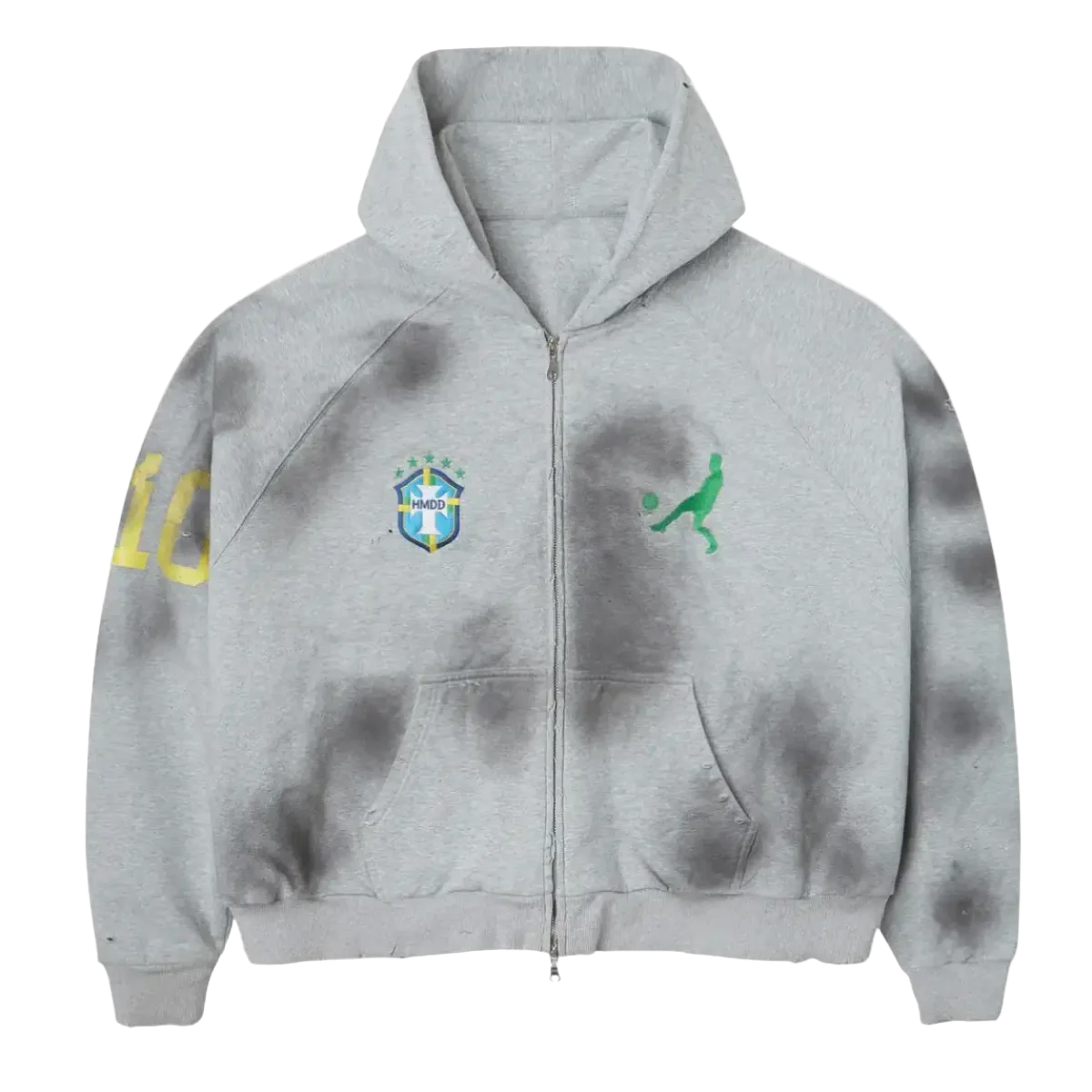
Indie fashion brands generally don’t offer the return convenience of large chains, so a buying choice should factor in that exchanges may require more time or add expense in shipping than they would with a mass-market seller. Nothing here is specific to HMDD alone, but it’s part of the real cost of buying from a compact, design-focused brand rather than a mass retailer with industrial-level fulfillment.
Closing Thoughts: Should You Buy HMDD?
Especially the sweatpants and shorts deliver excellent per-wear value because they’re versatile, fit consistently, and hold up to regular washing better than budget basics. The « happy memories dont die » guiding idea isn’t just surface-level messaging — it comes through in design choices that favor meaning and lasting quality over short-lived trend cycles.
Where you ought to pump the brakes is if you’re counting on couture-grade build quality at mid-range prices, or if you need dependable restocks and ample return windows. These qualities don’t count as strong points of the limited-release approach HMDD operates under, and no truthful assessment should pretend otherwise. Once you’ve weighed your own criteria — price relative to wear, style compatibility, and patience with scarce restocking — relative to what HMDD offers, resolving the cost-benefit question gets considerably more straightforward for your particular situation in 2026.